The Definitive Guide to Barcelona: Design, Heritage, and Innovation
A global capital of architecture, Mediterranean culture, and international business influence.
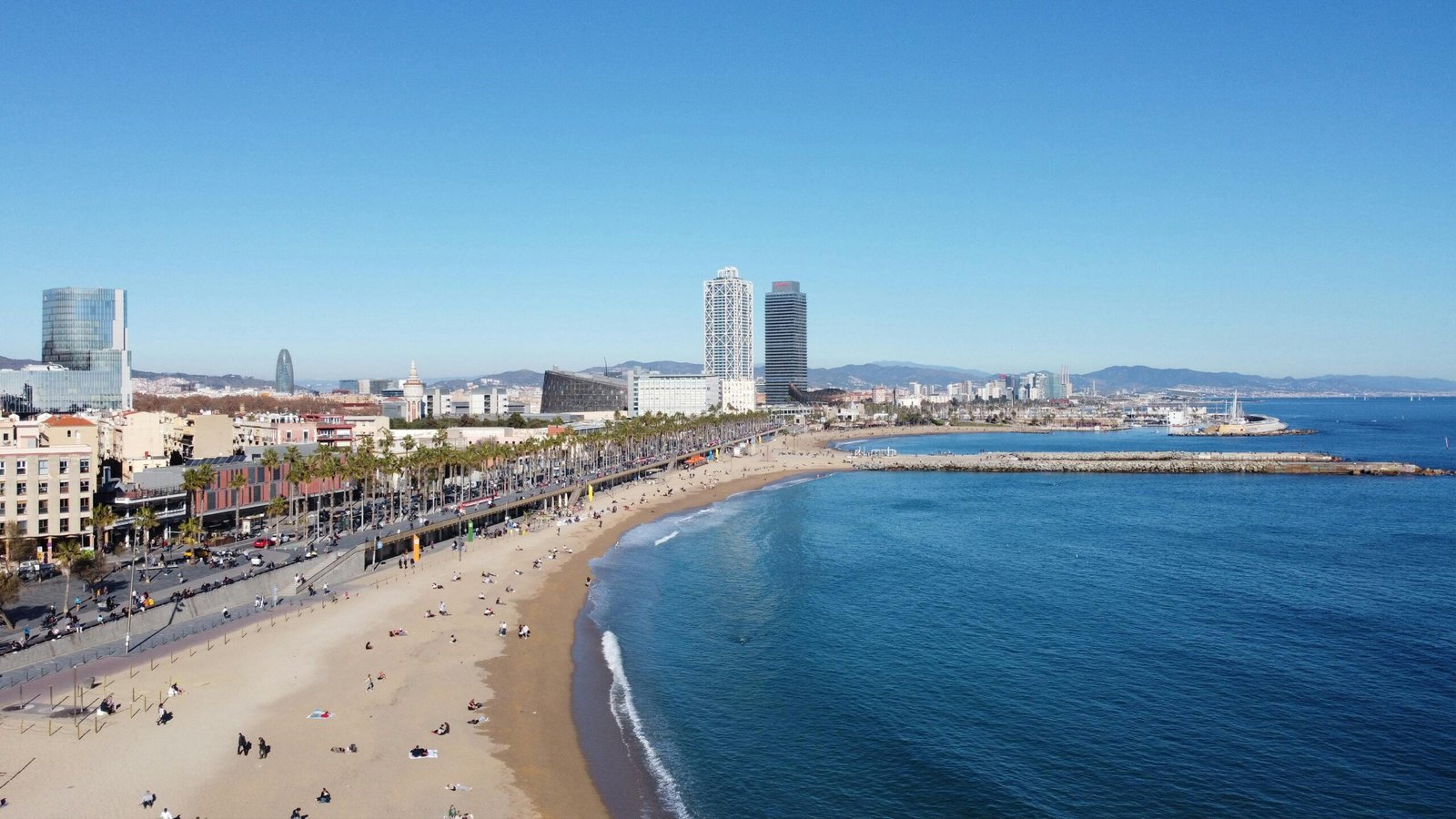
About Barcelona
Barcelona is not merely a city; it is a living, breathing gallery where two millennia of history—from Roman ruins to Modernist masterpieces—stand alongside a cutting-edge digital economy. From the ancient Roman colony of Bàrcino to the glittering smart-city infrastructure of the 22@ District, Barcelona has evolved through industrial revolutions and cultural renaissances to remain a global beacon of design, tourism, and innovation.
Whether you are wandering the labyrinthine alleys of the Gothic Quarter or marveling at the organic curves of a Gaudí rooftop in the Eixample, Barcelona offers an experience that is both quintessentially Catalan and unapologetically international. The city’s atmosphere is a unique blend of Mediterranean soul and rigorous professional excellence, making it a destination that demands expert local knowledge to truly “unlock.”
A Brief History: From Bàrcino to the Modern Metropolis
To understand Barcelona today, one must look beneath its vibrant surface. The city’s foundations were laid by the Romans in the 1st century BC. Known as Bàrcino, it was a fortified colony that eventually became an imperial seat.
- The Roman Legacy: Remnants of the original Roman Walls can still be seen in Plaça Nova, and the underground ruins at the MUHBA (Barcelona History Museum) offer a stark reminder of the city’s ancient origins.
The Renaixença and the Birth of Modernisme
While London saw a neoclassical renaissance after its Great Fire, Barcelona experienced the Renaixença in the 19th century—a cultural rebirth that coincided with the Industrial Revolution.
- The Artistic Revolution: From this era rose the architectural masterpieces of Antoni Gaudí and Lluís Domènech i Montaner. Icons like the Sagrada Família and the Palau de la Música Catalana redefined the city’s skyline and established Barcelona as the global capital of Modernisme (Catalan Art Nouveau).
The Eixample: A Vision of Urban Equality
In 1859, as London was expanding with its first underground railway, Barcelona began its own radical transformation: the Cerdà Plan.
- The Grid System: Urban planner Ildefons Cerdà designed the Eixample district—a strict geometric grid of octagonal blocks. This “extension” was revolutionary for its time, prioritizing sunlight, ventilation, and social equality.
- The 2026 Architectural Milestone: Today, this grid is the stage for Barcelona’s role as the 2026 World Capital of Architecture, where the city’s historic “superblocks” are being reimagined for a sustainable, pedestrian-first future.
Why Barcelona History Matters for Your 2026 Event
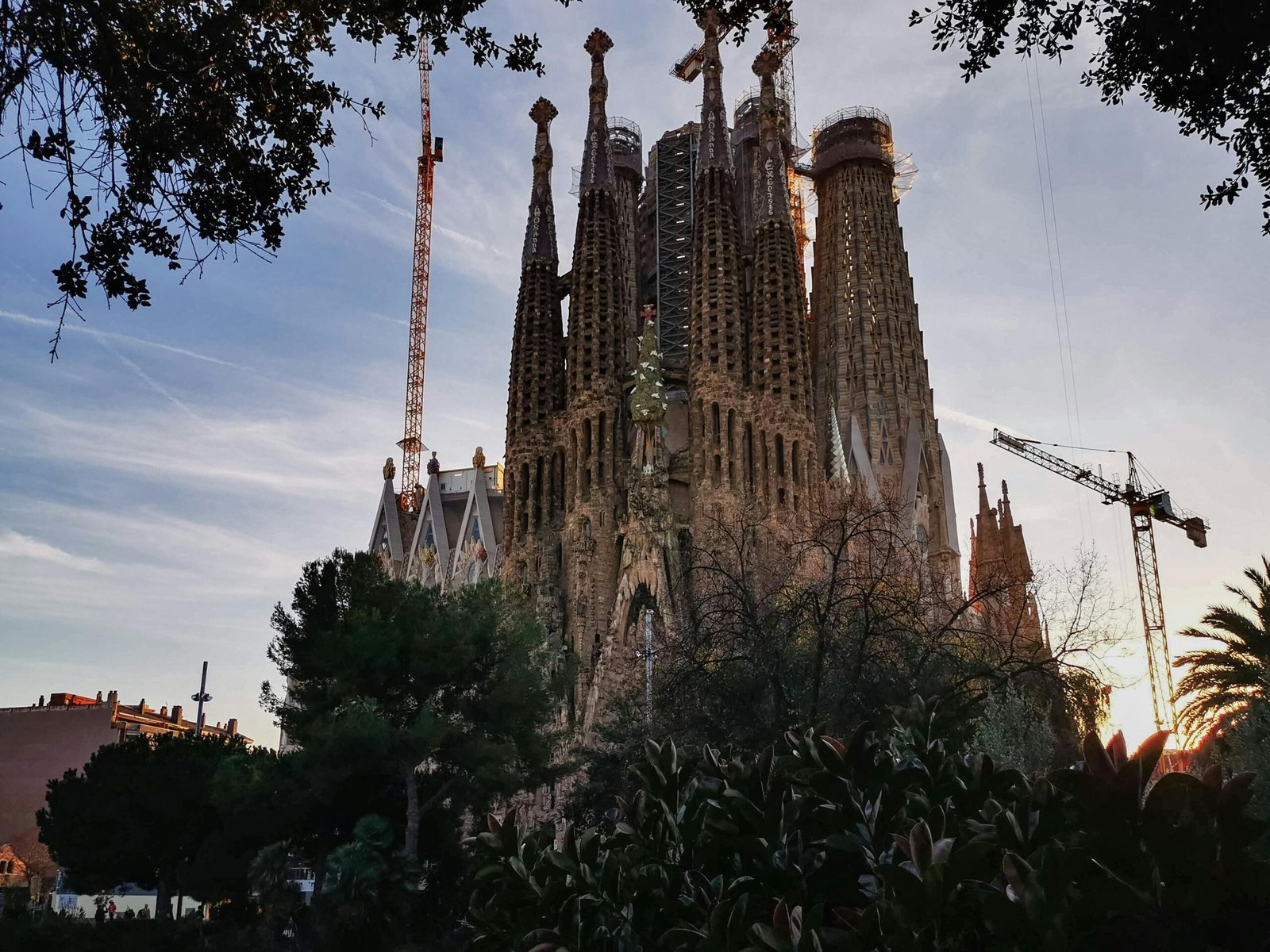
2026 Exclusivity: As the Architecture Capital, Barcelona offers your guests a “once-in-a-lifetime” look at the completion of the Sagrada Família’s main towers, a historic moment decades in the making.
The “Wow” Factor: Hosting a gala dinner in a Roman-walled vault or a 19th-century industrial loft connects your brand to a legacy of success and innovation.
Cultural Context: Understanding the Catalan identity—built on a history of trade, independence, and creativity—is essential for crafting an incentive program that resonates.
Navigating the Neighborhoods: Barcelona’s Unique Districts
Barcelona is a mosaic of “Barrios,” each offering a distinct atmosphere, architectural style, and culinary pulse. Understanding these neighborhoods is the key to choosing the right “vibe” for your corporate event or incentive trip.
Ciutat Vella: The Gothic Heart
This is the Barcelona of history books. Comprising the Gothic Quarter (Barri Gòtic), El Born, and El Raval, this district is a labyrinth of narrow medieval streets.
- The Vibe: Ancient, atmospheric, and mysterious.
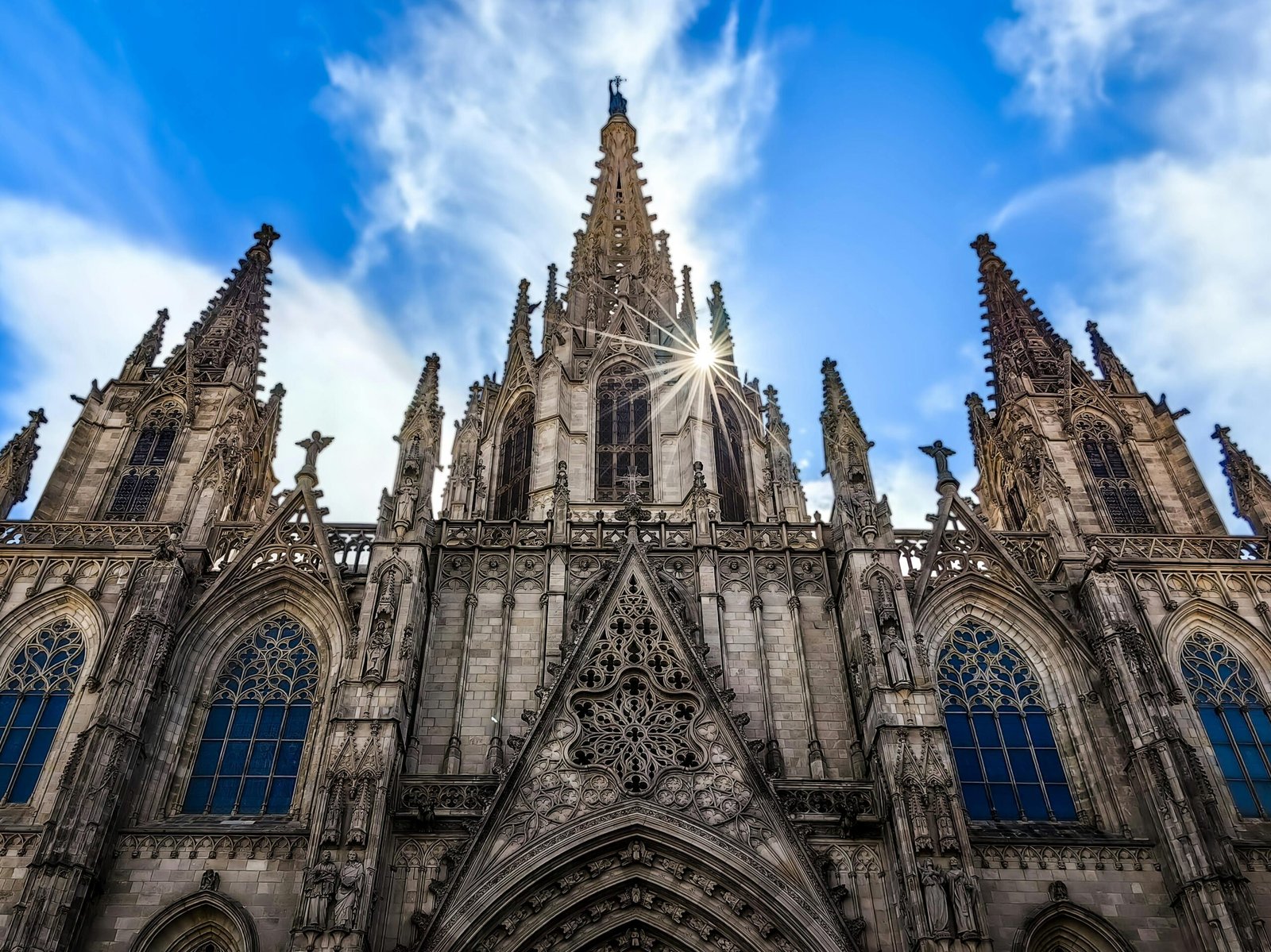
- Highlights: The Barcelona Cathedral, the Roman walls, and the Picasso Museum.
- MICE Potential: Hidden courtyards and candlelit stone vaults perfect for exclusive VIP dinners that feel like stepping back in time.
L’Eixample: The Modernist Masterpiece
Designed in the 19th century as a visionary grid, the Eixample (The Extension) is the global face of Barcelona.
- The Vibe: Sophisticated, grand, and iconic.
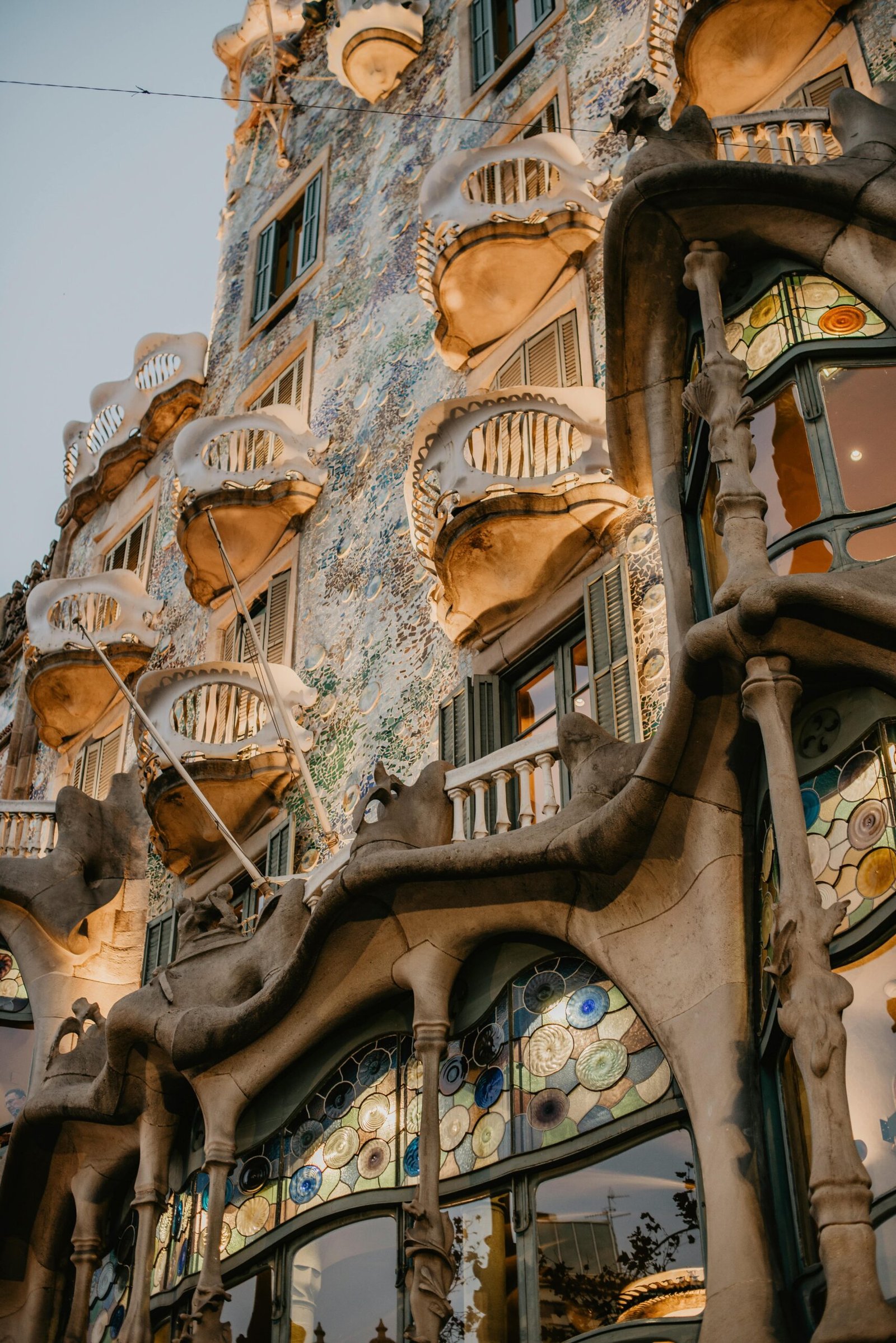
- Highlights: The “Golden Square” (Quadrat d’Or), Passeig de Gràcia, and Gaudí’s Casa Batlló and La Pedrera.
- MICE Potential: Luxury 5-star hotels and high-end boutiques. This is the primary district for the 2026 World Capital of Architecture celebrations, offering the city’s most prestigious event backdrops.
Poblenou & 22@: The Innovation District
Once the “Catalan Manchester” due to its textile factories, Poblenou has been transformed into one of Europe’s most successful urban regeneration projects.
- The Vibe: Industrial-chic, high-tech, and coastal.
- Highlights: The Agbar Tower, design hubs, and the beaches of Bogatell and Mar Bella.
- MICE Potential: Large industrial lofts and the CCIB Convention Center. This is the heartbeat of the tech scene and the preferred location for MWC (Mobile World Congress) satellite events.
Gràcia: The Bohemian Village
Until the late 19th century, Gràcia was a separate village, and it still retains that intimate, community feel.
MICE Potential: Ideal for “authentic” local experiences, boutique workshops, and artisanal team-building activities away from the main tourist hubs.
The Vibe: Local, artistic, and relaxed.
Highlights: Park Güell (located on the border) and sun-drenched plazas filled with terrace cafes.
Iconic Landmarks You Cannot Miss in Barcelona
No visit to the Catalan capital is complete without witnessing the architectural wonders that define Barcelona’s skyline. As the 2026 World Capital of Architecture, these sites offer more than just a photo opportunity; they are the heart of the city’s identity.
- The Sagrada Família: Gaudí’s unfinished masterpiece and a global icon. In 2026, the city celebrates a historic milestone with the completion of the main towers, making it the must-visit landmark of the year.
- Park Güell: A colorful garden complex that showcases Gaudí’s organic design. Located on Carmel Hill, it offers a 360-degree panoramic view of the city and the Mediterranean Sea.
- The Gothic Cathedral (La Seu): Standing in the center of the old city, this 13th-century Gothic masterpiece, with its hidden cloister and 13 white geese, represents the ancient soul of Barcelona.
- The Agbar Tower (Torre Glòries): Designed by Jean Nouvel, this modern marvel in the 22@ District provides a 21st-century contrast to the city’s historic spires, featuring a 360° lookout over the innovation hub.
The Quintessential Catalan Tradition: The Vermouth Ritual
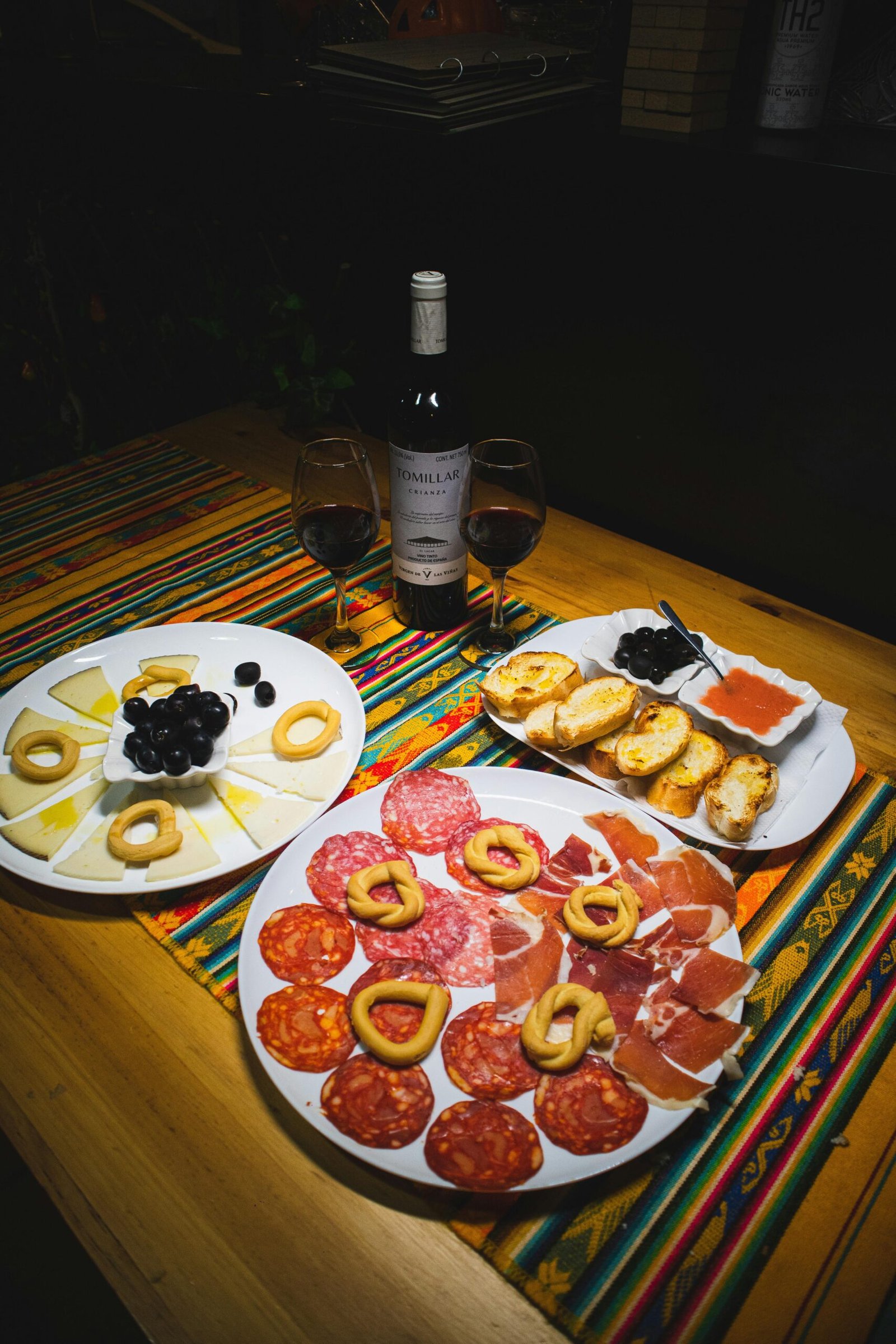
While London has Afternoon Tea, Barcelona has the “Hora del Vermut” (The Vermouth Hour). This tradition, once a humble Sunday pre-lunch ritual, has evolved into a sophisticated high-art form in the capital.
The ritual involves sipping artisan red vermouth, infused with local herbs, accompanied by “aperitivo” staples:
- Gildas: Skewers of olives, guindilla peppers, and anchovies.
- Espinaler Sauce: A local spicy vinegar poured over canned seafood and chips.
- Artisanal Cheeses and Jamón Iberíco.
From the historic “Vermuterías” of the Poble-sec neighborhood to the opulent rooftops of Passeig de Gràcia, it is a social ceremony of slow living. For a modern twist, many visitors now head to the W Barcelona for vermouth with a Mediterranean view or the El Nacional, a stunning multi-culinary space inside a refurbished 19th-century industrial building.
Barcelona’s Gastronomy: From Tapas Bars to Michelin Stars
Barcelona is a global culinary titan. While London may have the diversity of empire, Barcelona has the depth of the Mediterranean. The city boasts over 30 Michelin-starred restaurants and a food culture that treats every meal as a celebration of local terroir.
The Traditional Tapas & Vermut Bar
The tapas bar is the social heart of Barcelona. Whether it is a centuries-old “bodega” in the Gothic Quarter or a contemporary creative bar in L’Eixample, nothing beats a late-morning “Vermut” followed by Patatas Bravas or Jamón Ibérico. Many historic bars, such as Els Quatre Gats, were once the meeting grounds for legends like Picasso and Gaudí.
Mercat de la Boqueria: A Sensory Masterclass
Located just off La Rambla, La Boqueria is one of the world’s most famous food markets. It is a vibrant explosion of fresh seafood from the Mediterranean, artisanal Catalan cheeses, and exotic fruits. It is the definitive place to witness the diversity and quality of the local “Zero-Mile” food movement.
A Global Sporting Capital (2026 Edition)
Barcelona is arguably the world’s most passionate sporting city. As the only city to host the 1992 Summer Olympics and transformed by its legacy, Barcelona’s daily sporting culture is part of its DNA.
Padel & Tennis: As the global epicenter for Padel, Barcelona hosts the world’s most elite tournaments. Additionally, the Barcelona Open Banc Sabadell (Trofeo Conde de Godó) remains one of the most prestigious clay-court tennis tournaments in the world.
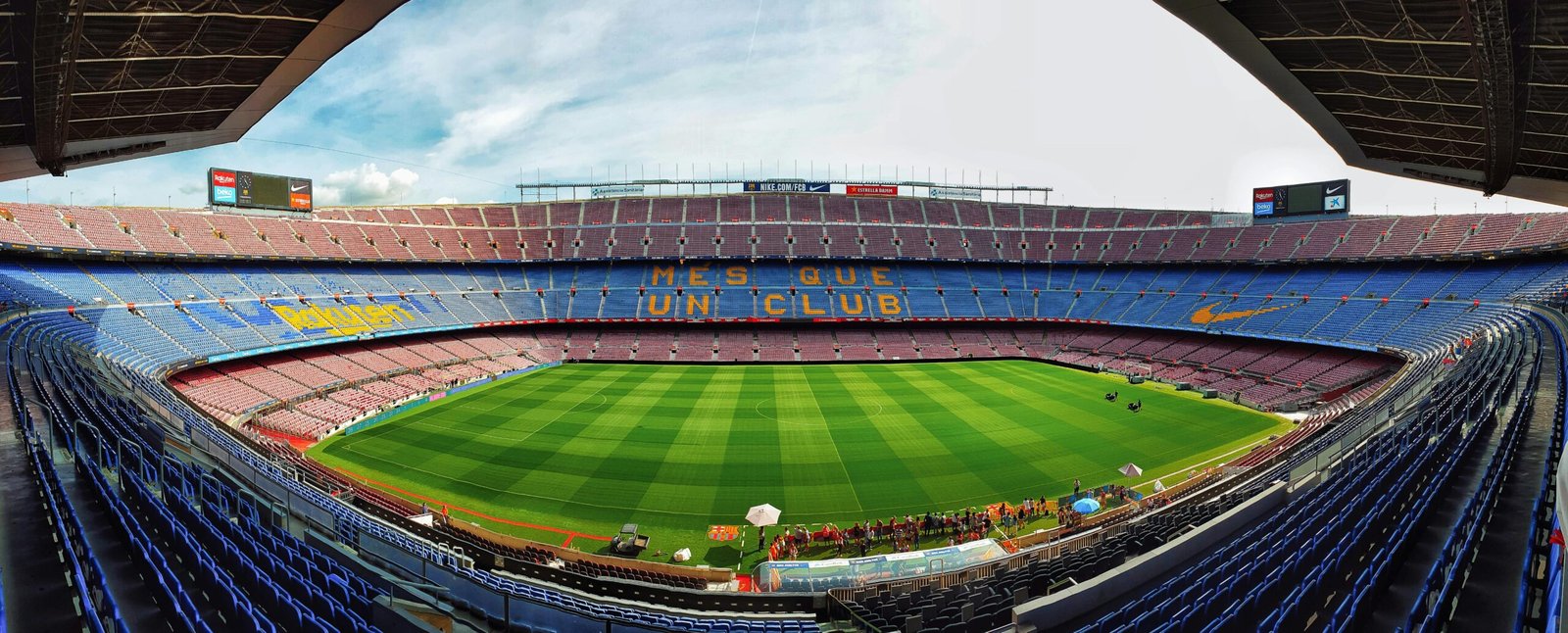
Football (Soccer): Barcelona is synonymous with FC Barcelona. With the renovated Spotify Camp Noureopening its doors, a visit to this stadium is a pilgrimage for any sports fan. The city also hosts RCD Espanyol, offering a diverse professional football landscape.
The Formula 1® Spanish Grand Prix: Every season, the eyes of the racing world turn to the Circuit de Barcelona-Catalunya. It is a weekend of high-octane hospitality and a cornerstone of the city’s international sporting calendar.
Sailing & America’s Cup Legacy: Following the 37th America’s Cup, Barcelona has established itself as the “Home of Mediterranean Sailing.” The Port Vell and Olympic Port offer world-class facilities for corporate regattas and maritime events.
Parks and Green Spaces: The Lungs of Barcelona
Despite its high-density urban planning, Barcelona is home to two massive “green lungs” and dozens of artistic gardens that offer a natural respite for delegates and high-end incentive groups.
- Montjuïc Hill: The city’s largest recreation area, home to the Jardí Botànic and the Joan Brossa Gardens. It offers the most iconic views of the Barcelona port and the Mediterranean skyline.
- Parc de la Ciutadella: The city center’s favorite green space. It houses the Catalan Parliament, the city zoo, and the famous monumental waterfall—a perfect setting for outdoor team-building or catered picnics.
- Collserola Natural Park: Spanning over 8,000 hectares, this is the largest metropolitan park in the world (8x larger than the Bois de Boulogne in Paris). It is the premier destination for mountain biking, hiking, and corporate retreats with a view.
- Parc del Laberint d’Horta: Barcelona’s oldest garden. This neoclassical jewel features a famous cypress hedge maze, ideal for high-concept creative workshops or themed incentive activities.
Beyond the City: Iconic Day Trips from Barcelona
Barcelona’s central location on the Mediterranean coast makes it the perfect strategic base for exploring the rich cultural and natural landscape of Catalonia.
- Montserrat Mountain: Just 60 minutes away, this multi-peaked rocky range is home to the Santa Maria de Montserrat Abbey and the revered “Black Madonna.” For MICE groups, we organize private cogwheel train transfers and sunrise hiking experiences.
- Sitges & The Garraf Coast: Known as the “Saint-Tropez of Spain,” Sitges is a bohemian coastal gem just 40 minutes south. Its whitewashed streets, luxury boutiques, and waterfront villas make it the leading destination for executive retreats and maritime incentives.
- The Penedès Wine Region: The birthplace of Cava. We provide “insider access” to 10th-century estates for private harvests, vintage 4×4 vineyard tours, and bespoke “Create Your Own Cava” workshops for corporate teams.
- Girona & The Dalí Triangle: Easily accessible via the high-speed AVE train, Girona offers a perfectly preserved medieval Jewish Quarter. Often combined with a visit to Figueres to witness the surrealist world of Salvador Dalí.
Shopping: From Artisan Markets to Luxury Avenues
Barcelona is a global retail capital that balances Mediterranean craftsmanship with high-end international prestige.
- Passeig de Gràcia: The “Bond Street” of Barcelona. This grand avenue is the epicenter of luxury, home to flagship stores like Loewe, Chanel, and Cartier, all housed within iconic Modernist buildings like Casa Batlló.
- Portal de l’Àngel: One of Europe’s busiest pedestrian streets, offering the best of international high-street fashion (Zara, Mango) just steps from the Gothic Cathedral.
- El Born & The Gothic Quarter: The place for independent boutiques and artisanal ateliers. Explore the narrow streets to find local fashion designers, handmade leather goods, and unique concept stores like SSSTUFFF.
- Mercat dels Encants: One of Europe’s oldest flea markets, now housed under a spectacular futuristic mirror roof. It’s the definitive destination for vintage finds and antique treasures.
Practical Information for Your Barcelona Journey
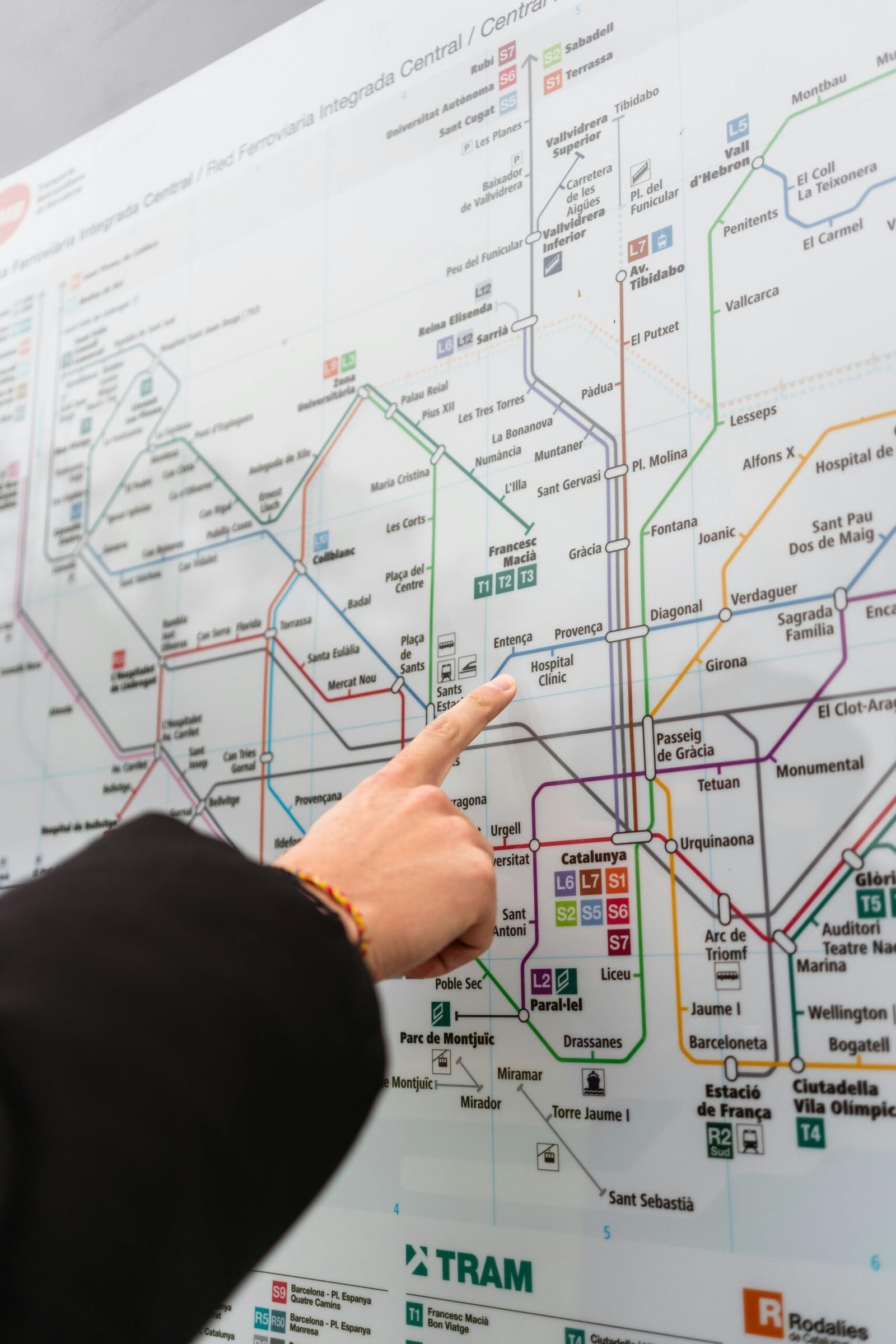
Getting Around: The Digital Transport Revolution
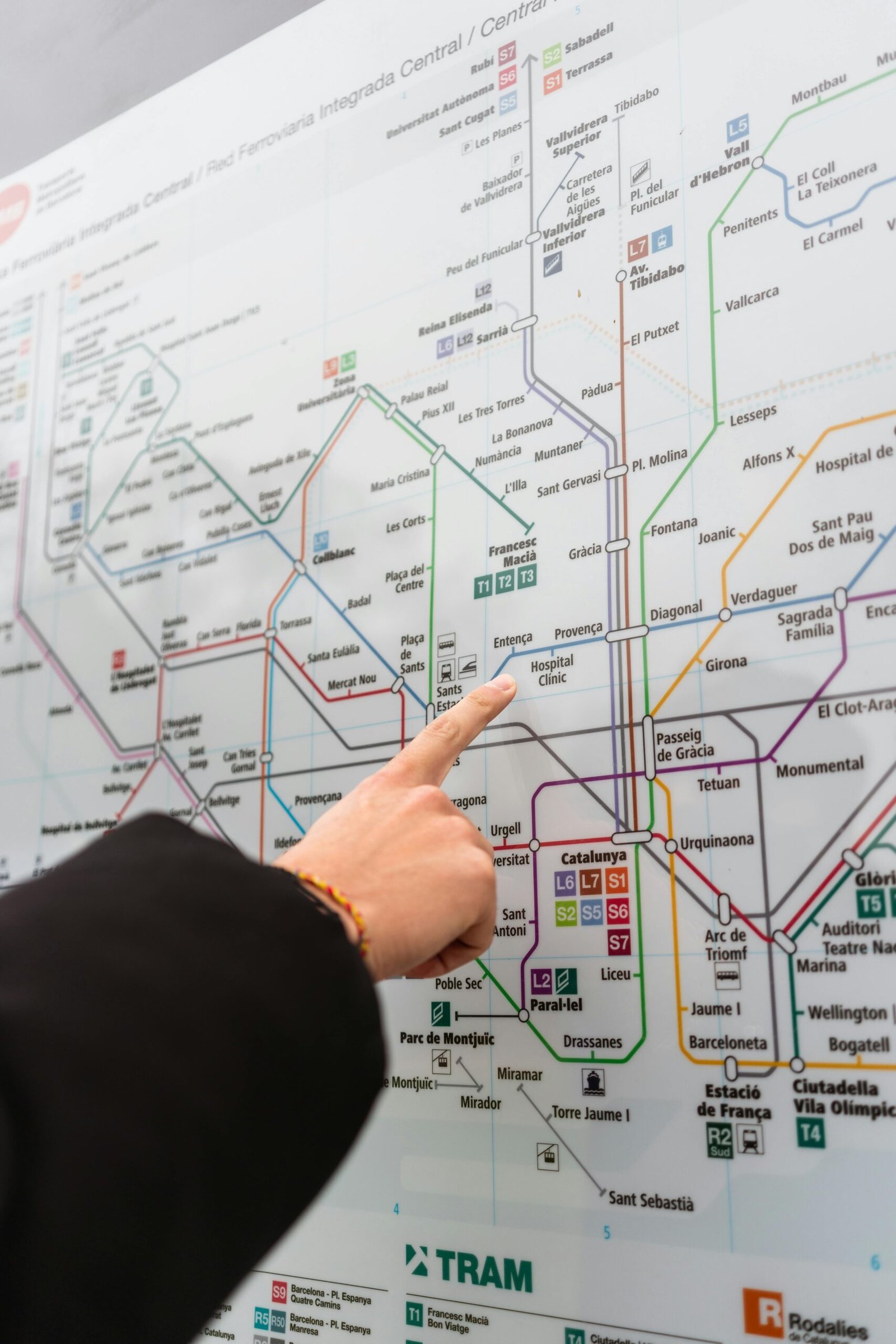
Barcelona’s public transport is world-class and highly integrated. By 2026, the city has fully transitioned to the T-mobilitat system, a contactless network covering the Metro, FGC trains, and buses.
Expert Tip: Forget paper tickets. Use the T-mobilitat app on your smartphone or a contactless plastic card. For MICE groups, the T-casual (10-journey) or T-usual (unlimited monthly) tickets offer the best value.
Weather and When to Visit
Autumn (September–November): The city’s cultural calendar is at its peak. Warm sea temperatures allow for Mediterranean sailing events well into October.
Spring (March–May): The “Goldilocks” season. Ideal for outdoor site inspections and corporate retreats with pleasant temperatures (15°C–22°C).
Summer (June–August): Vibrant and sunny. Perfect for rooftop cocktail receptions and beachside incentives, though we recommend indoor sessions during the midday heat.
The Secret Side of Barcelona: Hidden Gems
While the world knows the Sagrada Família, the true advantage of a local DMC lies in unlocking the city’s best-kept secrets.
- Bunkers del Carmel: Former anti-aircraft defenses that offer the most spectacular (and still relatively local) 360-degree sunset views over the entire city.
- Parc del Laberint d’Horta: An 18th-century cypress hedge maze tucked away in a neoclassical garden—a stunning “secret” location for high-concept team building.
- Antic Teatre: A hidden bohemian garden bar located behind a tiny door in El Born. It’s a parallel world of creativity and a favorite for “off-the-radar” networking.
- The Fabra Observatory: A Neo-Classical observatory on Mount Tibidabo where you can host a “Dinner with the Stars,” combining gourmet catering with private telescope viewings of the Mediterranean sky.
Conclusion: Why Barcelona Continues to Enthrall
Barcelona is a city that thrives on reinvention. Its ability to honor a two-millennium-old heritage while leading the global conversation on urban sustainability and design is why it remains a top-three MICE destination in Europe.
Whether you are visiting for the World Capital of Architecture festivities, a high-tech summit in the 22@ District, or a luxury incentive on the Mediterranean coast, Barcelona doesn’t just host you; it invites you to become part of its visionary story.
Frequently Asked Questions About Barcelona
Is Barcelona a safe city for international travelers?
Yes, Barcelona is generally very safe for tourists and business delegates. As with any major European hub, it is important to be mindful of pickpockets in crowded areas like La Rambla or the Metro. The city is well-policed, and the “Safe Tourism” initiatives introduced for 2026 ensure a secure environment for large-scale international events.
How many days do I need to experience Barcelona?
For a focused MICE program, 3 days allow you to cover the highlights. However, a 5-to-7-day itinerary is ideal for corporate groups. This allows time to explore the unique “Barrios,” experience the city’s world-class gastronomy, and take a strategic day trip to the Penedès wine region or the coastal beauty of Sitges.
What is the currency and payment landscape?
Barcelona uses the Euro (€/EUR). While cash is accepted in traditional markets, Barcelona is a “digital-first” city. Almost every vendor, from boutique shops to transport providers, accepts contactless mobile payments (Apple/Google Pay) and major international credit cards.
What makes 2026 a unique year to visit?
2026 is a historic year for the city as the UNESCO-UIA World Capital of Architecture. This means visitors will enjoy exclusive access to new urban “Superblocks,” architectural exhibitions, and the milestone completion of the main towers of the Sagrada Família.
Ready to Elevate Your Next Barcelona Project?
Looking for a corporate solution, a high-impact congress, or a private destination experience in Catalonia? Our team is ready to design a program that aligns with your 2026 vision.
Get in touch with our team today for a free consultation about your upcoming project!